Online Design System Software For Teams
Table Of Content
- The future of design systems is accessible
- How to convince your team to switch to Figma
- The Goldman Sachs Library
- Famous design systems you can take inspiration from:
- A collection of Design Systems for Figma from all over the globe 🌎 backed by code.
- Atomic design & Figma — SetProduct.com
- Setting variables on the design file:

Take a look at the existing resources and guidelines within your company—things like brand standards, voice and tone guides, marketing strategies, or even customer support playbooks. Use these as a starting point, and work with cross-functional partners to ensure yours are in sync with the bigger picture. The goal isn’t just to create a set of generic principles, but to articulate the unique priorities and beliefs driving your specific organization and product. Are you ready to streamline your design process and elevate your projects to the next level? In this comprehensive guide, we’ll walk you through the process of creating design systems in Figma, empowering you to create cohesive, efficient, and visually stunning designs with ease. With the help of developers, many design systems even include code snippets so that developers can reap the same benefits.
The future of design systems is accessible
Jason is an experienced designer with a talent for UX, strategy, and creating innovative solutions from first principles. We are creating variable for every color style one by one using the color picker. When Figma first shared their new variables feature, it looked very complex. But once I used it in a real project, I found out it’s easy and really useful. Mizko, also known as Michael Wong, brings a 14-year track record as a Founder, Educator, Investor, and Designer.
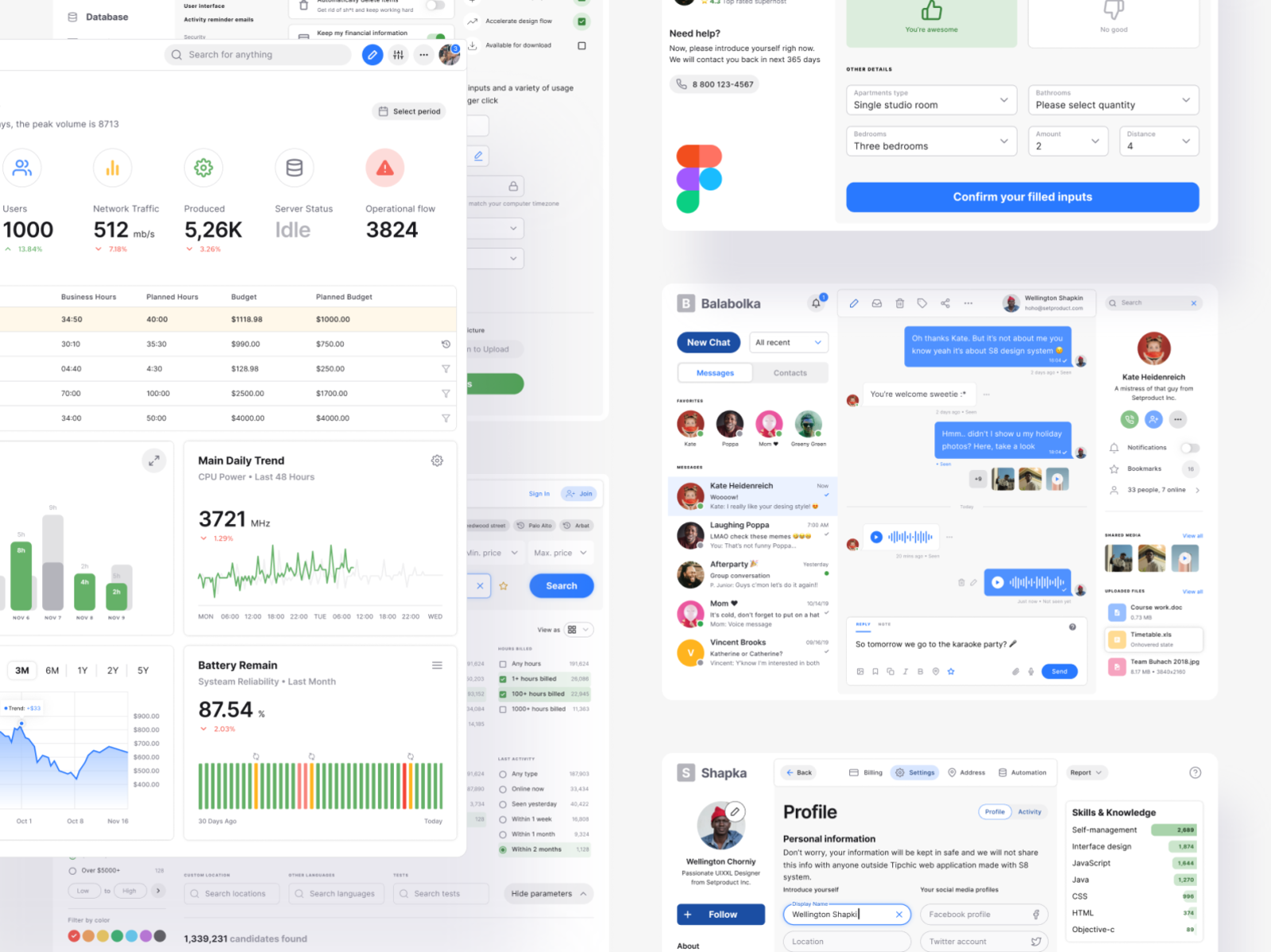
How to convince your team to switch to Figma
To ensure your colors are accessible, explore plugins in the Figma Community and follow Web Content Accessibility Guidelines. Keep an eye out for inconsistencies, redundancies, or areas where your product feels disjointed. These are often signs that a more cohesive design system could improve your user experience. Once a few Styles and Components have been created, the Library file can be shared with the team, and the Styles and Components can be used in any number of files.
The Goldman Sachs Library
With over 100 components, including buttons, images, tabs, and text fields, this free library is updated frequently to ensure it runs smoothly. The kit also includes 200+ icons from Feather Icons suitable for commercial use. They’re both two of the most popular design systems that you can buy, with a huge offering of design elements. Ant Design’s pricing is a bit more complex though, starting at $199 + taxes for a year’s worth of updates (whereas Untitled UI is for life). The main benefit of these design systems is that they’re created to solve real problems. The main downside, though, is that they aren’t as versatile as they could be, since they’re only designed to solve the problems of that brand’s products.
What Figma's Dev Mode Means for Developers - MUO - MakeUseOf
What Figma's Dev Mode Means for Developers.
Posted: Thu, 13 Jul 2023 07:00:00 GMT [source]
The rigorous part is done, now we can start using the design system by publishing it. After publishing it can be accessed from the assets panel in all files. These are customized using components to make reusable templates like navigation bars, card styles, payment screens, etc.
In this article, designer Joey Banks talks through all the stages of building a design system — from an initial component audit to final mock-ups. He also talks about how Virta’s design system changed the way engineers and product managers communicate ideas. Remember, a spatial system is meant to inspire and guide your designs, not limit your creativity. As you apply the spatial system to your work, always keep your users’ needs and experiences at the forefront, using the guidelines as a helpful framework rather than a set of strict rules.
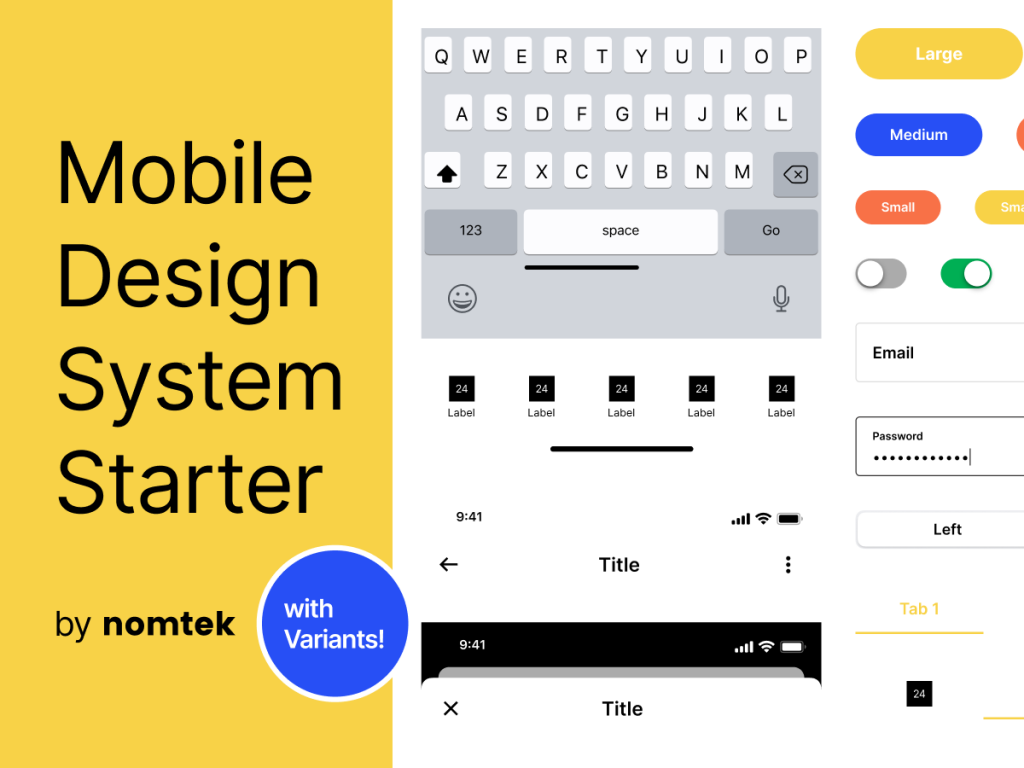
This jam-packed kit comes with over 10,000 Figma UI components and variants, close to 1,000 icons and logos, and a smart, scalable typography system. Their most recent updates include light and dark theme modes and improved file structure and organization. To the “Quick Start Guide,” they’ve also added some video tutorials and playgrounds. Shipfaster UI has been designed for scalability and efficiency in mind.
Atomic design & Figma — SetProduct.com
While there is only one additional product at the moment called Flow, it’s a handy bundle to have. Plus, Flow is a great tool to have in your back pocket, helping you to annotate and craft all kinds of flowcharts in Figma. FlowBite is a Figma UI kit created by Themesberg based on the very popular Tailwind CSS framework.
The best UI design tools - Creative Bloq
The best UI design tools.
Posted: Sun, 19 Mar 2023 07:00:00 GMT [source]
This kit is available for Figma-only use or as a complete all-in-one package along with a UX toolkit and other handy Figma design tools. We all know that design systems and UI kits help you speed up your design and production processes. They are there to help you save time designing by completing menial tasks for you, providing templates, and giving you components and variants that would otherwise take you hours. If designing with Figma is like painting on the best quality canvas, then Figma UI kits and design systems are like getting access to the highest quality paints and brushes driven by AI. Service design can help our organizations innovate customer experience and build brand loyalty — and it’s great for small businesses. From the documentation we can see that Uber hasn’t published everything yet, but there’s still a lot to love.
By acknowledging these challenges upfront and strategizing on how to address them, you can set the stage for a more effective and embraced design system. The journey may be complex, but the destination—a more cohesive, efficient, and scalable design practice—is well worth the effort. Getting everyone on board with a design system can feel like an uphill climb.
For new designers, a design system can serve as an onboarding tool, educating them on the product and principles, and enabling them to contribute sooner. As the system matures, it can provide teams with a shared vision and language that leads to better understanding and more consistent products. This, in turn, can increase trust with the people using your product, leading to a more engaged and loyal customer base over time. It can evoke emotions, create visual interest, and guide people’s attention. When selecting colors for your design system, aim for a balanced palette that’s not too limited, but also not overwhelming. Consider how your colors will look in different modes (like dark mode) and across various products to maintain a consistent brand experience.
Save time and keep things consistent with reusable assets in shared libraries. Standardize components and variables so that there’s more time for exploration, and less time doing busy work. Learn more about how Figma helps teams of all sizes drive consistency, scale designs, and maintain parity with development using our design systems features or request a demo. The concept of design systems has matured alongside technology itself. Design systems trace their roots to the early days of graphic design and print media, where style guides and typographic standards first introduced the idea of systematic design. As branding became vital for businesses in the mid-20th century, the need for consistent identity led to comprehensive brand guidelines.
To use these Styles and Components in another file, the Library file needs to link to an existing design file we want to use the new Styles and Components in. Simply open the Libraries modal again (Assets, Library icon) and turn on the toggle switch for the Library file to be used. Use Figma’s variables REST API to create and manage variables in bulk—saving you time while scaling your design system. The design system consists of foundations, component Libraries, templates, and documentation. There is a general misunderstanding between a design system and UI kits.
Here are the 2 most common issues with most design systems and UI kits. DesignOps is a set of best practices and principles that aims to streamline the effectiveness of design teams. Another benefit of premium design systems is that they’re updated more frequently and to serve us, whereas the design systems of popular brands are primarily updated to serve the brands. We love when people push the limits of our technology past what we ever imagined.
Once the Styles and Components to be included are identified in the Library as above, it’s time to create a Library file and begin populating it. When constructing a design system in Figma, it’s useful to draw parallels between the tools and the theory. For example, Styles in Figma could be considered the most basic level, even more basic than Atoms in Brad Frost’s Atomic Design model.
Design systems are often the unsung heroes of the products we use every day—from mobile apps and websites to the interfaces on television screens and car dashboards. They serve as the DNA for product design, encoding the principles and elements that define the very experience users interact with. If your design system does its job well, your end users hopefully don't spend too much time thinking about it at all.


Comments
Post a Comment